
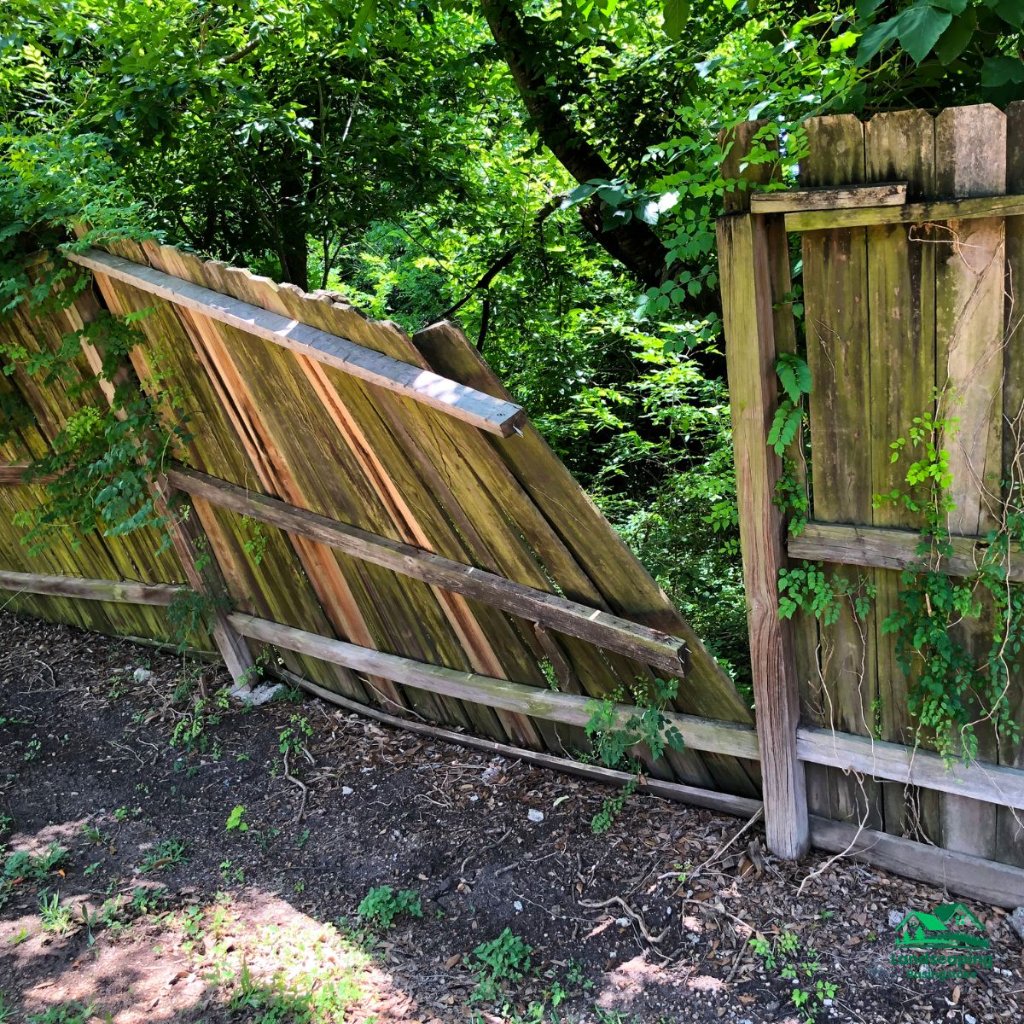
Your garden fence has seen better days? Don't worry, you're not alone. Our team's experience with fencing in Basingstoke, Hampshire shows that timing plays a huge role in how long your fence will last and how smoothly the installation goes.
Key Takeaways
- Autumn is best for professional fence installation, cooler temps, workable soil, off-season discounts
- Replace when you see leaning panels, rotting wood, loose posts, or privacy gaps
- Spring and summer suit DIY projects, dry ground and long days
- Composite fencing lasts 20-30 years vs 5-10 years for pressure-treated wood
- Professional installers handle winter with specialist equipment for frozen ground
Signs Your Fence Needs Replacing
Visible Damage or Leaning Panels
A leaning fence points to structural problems that won't fix themselves. It usually happens because of soil erosion, especially after the heavy rains common in Hampshire. Repeatedly patching panels often costs more in the long run than a complete replacement.
Rotting Wood or Rusted Metal
Watch for these signs of wood rot:
- Wood that feels spongy when pressed
- Dark patches on fence panels
- Musty or damp smells near the fence
- Fungal growth or discolouration
If rot affects more than 25% of your fence, replacement becomes your best option. Rot spreads fast through wood fibres once it starts.
Loose or Unstable Posts
Posts are your fence's foundation. Check stability with a gentle push, any movement means your post needs attention. Posts that wiggle usually have rot at or below ground level. Hampshire's wet weather accelerates this problem.
Gaps Affecting Privacy or Security
Small holes often indicate wood-boring insects that could spread to the entire fence. Gaps between panels and ground show the structure has shifted, and may let pets escape or wildlife enter your garden.
Spring & Summer: Ideal for DIY Projects
Spring and summer give DIY fence installers in Basingstoke several advantages. The ground is dry, digging is easier, and longer daylight hours mean you can work after hours or on weekends. Summer brings predictable weather for better project planning.
Watch out for heat-related warping in summer though. Strong heat dries wood unevenly, especially when sun hits one side of a panel more than the other. Use quality UV-resistant wood treatments before installation and leave small gaps between boards for airflow.
Autumn: The Best Time for Professional Installation
Autumn is the ideal season for professional fence installation in Basingstoke. Cooler temperatures reduce material stress, the soil is still workable from summer rains without being waterlogged, and garden plants are entering dormancy so there's less disruption.
Landscapers and fence installers are less busy in autumn, so you'll often get faster scheduling and better pricing. Seasonal promotions and supplier discounts on materials are common too.
Winter: When to Wait and When to Act
Frozen ground makes digging much harder in winter. Snow and ice obscure property lines, and cold temperatures make wood more likely to crack. However, skilled Basingstoke contractors come equipped with hydraulic augers and fast-setting cold-weather concrete mixes.
If you prefer to wait, winter is an excellent time to plan and prepare, clear the fence line, mark your boundaries while plants are dormant, and book your spring installation slot early to beat the rush.
Choosing the Right Materials
Pressure-Treated Wood
- ✓ Lower upfront cost (~£15/ft)
- ✓ Classic natural look
- ✓ Lighter and easier to handle
- ✗ Lifespan 5-10 years
- ✗ Requires regular maintenance
Composite Fencing
- ✓ Lifespan 20-30 years
- ✓ Won't warp, rot, or splinter
- ✓ Eco-friendly (recycled materials)
- ✓ Minimal maintenance
- ✗ Higher upfront cost (~£25/ft)
Frequently Asked Questions
How can I tell if my garden fence needs replacing?
Look for visible damage, leaning panels, rotting wood, loose posts, or gaps affecting privacy and security. If you notice these issues, it's likely time for a replacement.
What's the best season to replace a garden fence in Basingstoke?
Autumn is generally best for professional installation. Cooler temperatures reduce material stress, the soil is still workable, and there's less disruption to garden plants.
How long should I expect my garden fence to last?
Pressure-treated wood fences typically last 5-10 years. Composite fencing can last 20-30 years with minimal maintenance.
Can I replace my fence during winter?
Yes, professional contractors have the equipment to handle cold-weather installations. However, it's often better to prepare during winter and schedule an early spring installation.
Is composite fencing worth the extra cost?
Yes, for most homeowners. Despite the higher upfront cost, composite lasts 20-30 years versus 5-10 for wood, making it more cost-effective long-term with far less maintenance.